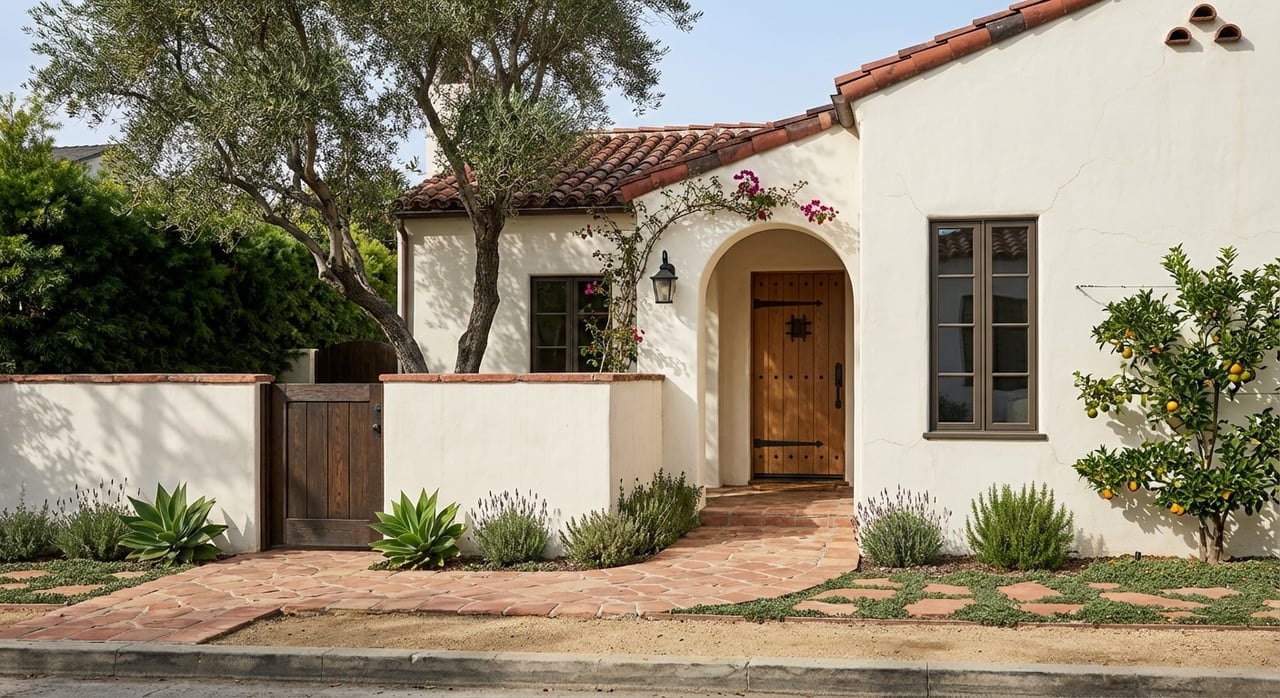
If you love old-world character, few places deliver like San Juan Capistrano. From mission‑era adobes to storybook cottages, the city offers a rare mix of history and lifestyle. Buying here is different though. You need to understand designations, review rules, and how to care for traditional materials. This guide shows you what to look for, how reviews work, and the steps to protect your investment. Let’s dive in.
Why San Juan Capistrano stands out
San Juan Capistrano has one of Orange County’s most concentrated collections of historic homes centered on Mission San Juan Capistrano and Los Rios Street. The Los Rios Street Historic District is listed on the National Register of Historic Places, and the city keeps an active Inventory of Historic and Cultural Landmarks. You can review the city’s National Register listings and districts to see local examples.
The city’s Inventory of Historic & Cultural Landmarks (IHCL) is the local roadmap for buyers. If a property appears on the IHCL, it may have protections, review requirements, or recorded conditions. Before you write an offer, check the IHCL entry using the city’s official inventory PDF.
What styles you will see
Mission‑era adobes and Spanish Colonial
A small number of original adobes in the Capistrano Valley date to the late 1700s and early 1800s. They are rare, and some serve as museum or interpretive sites while others are occupied. Adobe construction and lime plaster care are the key technical considerations. Plan for specialized conservation and regular moisture management if you pursue one of these properties.
Board‑and‑batten cottages
Many of the smaller cottages near Los Rios were rebuilt or constructed in the late 19th and early 20th centuries. Expect simple frame or single‑wall construction, modest footprints, and period wood details. These homes often charm with porches and garden settings, yet they may need targeted structural and finish upgrades.
Bungalow and Craftsman
Bungalow and Craftsman styles appear across San Juan Capistrano, typically from the 1910s to the 1930s. Look for broad porches, exposed rafter tails, and original wood windows. Local design guidance recognizes these forms, so plan updates with sensitivity to original proportions and trim.
Mission Revival and Spanish Colonial Revival
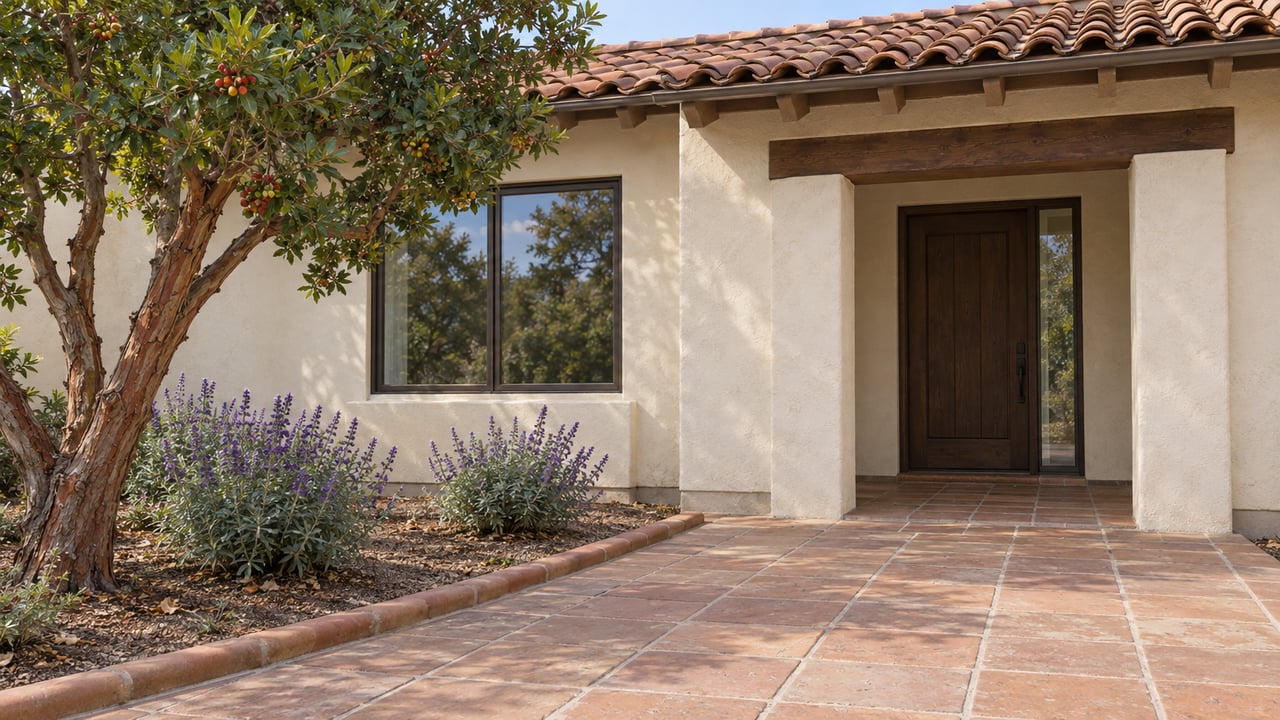
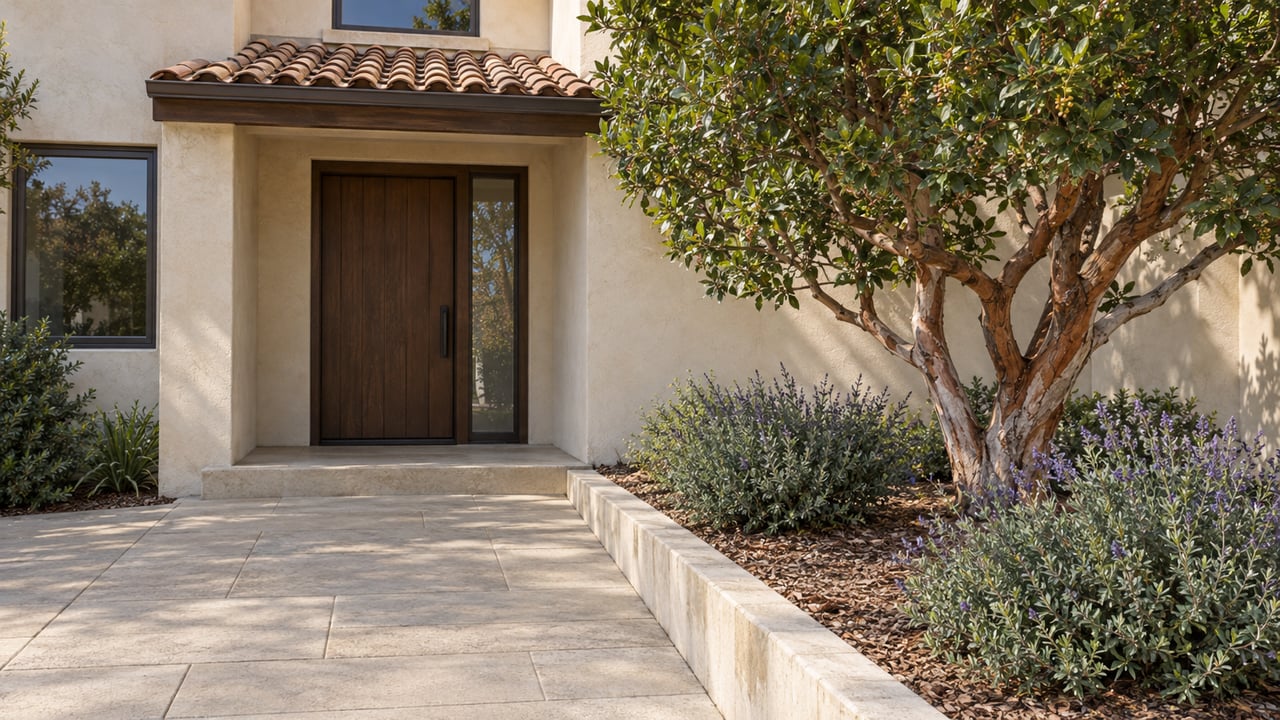
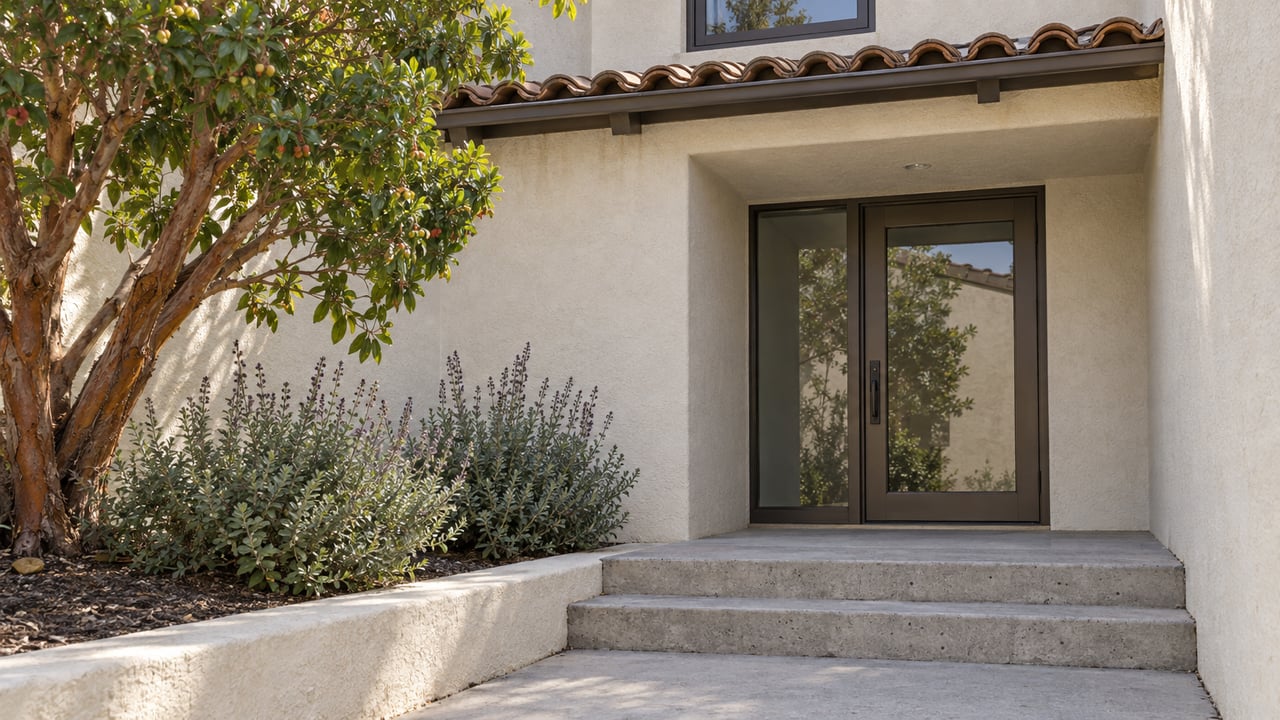
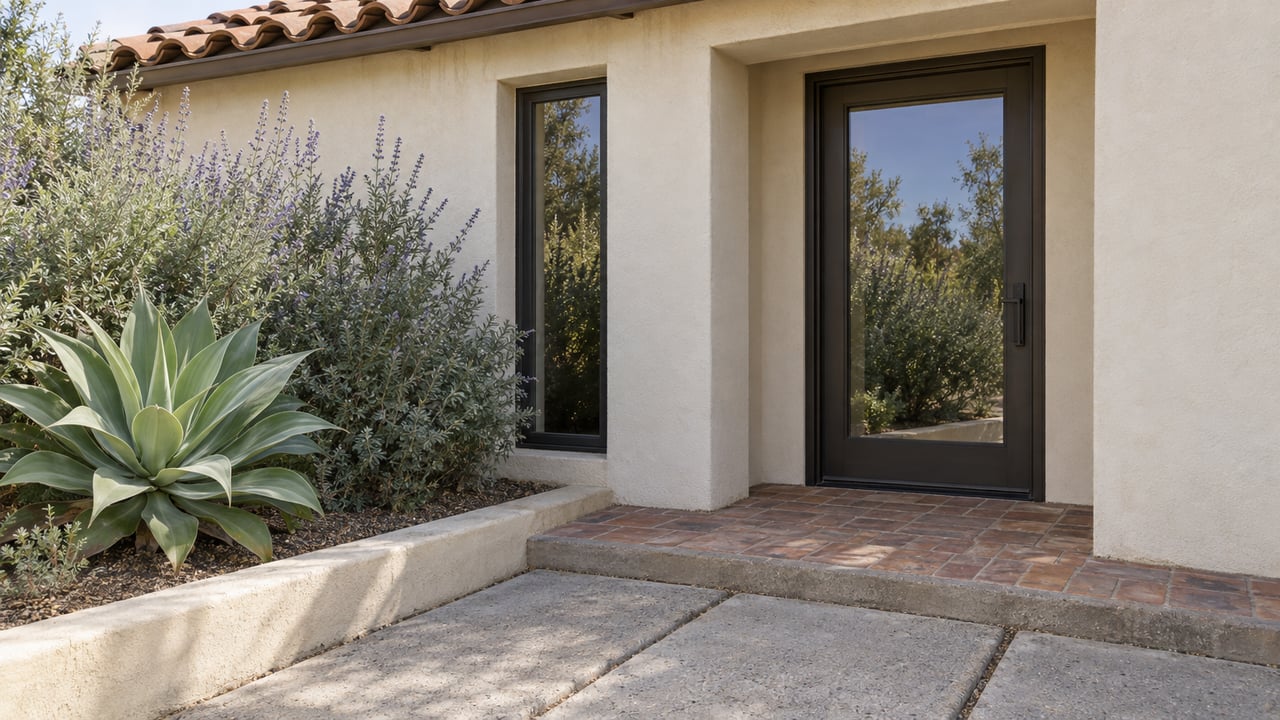
Revival styles from the 1890s through the 1930s are common in and around downtown. You will notice low‑pitched clay tile roofs, smooth stucco, and arched openings. Many properties in or near the core appear on the city’s National Register page, which is a helpful starting point for research.
Later period examples
Select commercial or institutional buildings carry Streamline Moderne or mid‑century influences. While fewer in number, they add to the city’s layered character. Most historic‑feeling homes you see will fall in the categories above.
Rules that shape your plans
Confirm IHCL status first
The IHCL and the Buildings & Sites of Distinction list identify properties with local importance. Read the property’s IHCL entry and any conditions or easements in the official city inventory. Bring questions to City Planning before you commit to renovations.
Expect reviews for exterior changes
Demolition, relocation, or alteration of IHCL‑listed properties requires prior City approval. The Cultural Heritage Commission, along with Design Review or Planning staff when needed, reviews proposed work. Do not remove or replace character‑defining features without permits and the required historical site plan review.
Explore possible property tax relief
San Juan Capistrano administers the state’s Mills Act locally. The city accepts Mills Act contracts only for properties on the IHCL and requires a preservation or maintenance work plan in exchange for property tax benefits. Ask whether a home already has a contract and request the recorded document. You can learn more in the city’s Mills Act guide.
Smart maintenance and modernization
Start with proven preservation guidance
The National Park Service’s Technical Preservation Services publishes practical briefs on energy efficiency, windows, and sensitive upgrades. These briefs favor repair over replacement and reversible solutions. For a concise overview, see Preservation Brief 3 on energy efficiency.
Adobe care basics
Historic adobe needs diligent moisture control, regular inspection of lime or mud plaster, and compatible materials. Avoid hard, non‑breathable coatings that trap moisture. Budget for specialized trades if you plan conservation or stabilization.
Wood cottages and single‑wall houses
In older wood‑frame houses, look for rot at sill plates and porch members, failing paint, and signs of past termite activity. Southern California is termite‑active, so a licensed pest inspection is essential. UC’s guidance on species and prevention is a useful primer for buyers new to the region’s pests; start with UC IPM’s termite overview.
Windows and energy upgrades
Preservation best practice is to repair original wood windows where possible and use storm panels or interior inserts for performance. Air sealing and attic insulation usually deliver strong gains with minimal impact on character. An energy audit can help you target the right measures.
Electrical, plumbing, and hazardous materials
Older homes may include legacy systems or materials like knob‑and‑tube wiring, galvanized plumbing, lead paint, or asbestos. Plan professional inspections and use licensed abatement contractors when needed. The city’s construction information page outlines permitting and safety basics.
Seismic readiness
San Juan Capistrano sits in earthquake country. A structural evaluation by an engineer experienced with historic buildings is wise for any older house. To see sensitive strategies that protect life safety while preserving historic fabric, review NPS Preservation Brief 41 on seismic rehabilitation.
Your buyer checklist
- Confirm status and protections
- Look up the address in the IHCL and read the entry in the city’s inventory PDF.
- Review any National Register references on the city’s listings page.
- Ask about Mills Act
- If the seller mentions a Mills Act contract, obtain the recorded document and understand the required work plan.
- Review permit history
- Request records and ask City staff about unpermitted work or open violations. Build this into your offer timing.
- Order specialized inspections
- Termite and wood‑destroying organism inspection.
- Structural and seismic review for older foundations and connections.
- System checks for electrical, gas, plumbing, clay tile roofs, plaster, and original windows.
- Lead paint and asbestos screening for pre‑1978 homes.
- Check hazard maps and insurance factors
- For wildfire exposure, review the city’s Fire Hazard Severity Zones.
- For flood risk, enter the address in FEMA’s Flood Map Service Center to see official status and lender requirements.
- Build a realistic budget and timeline
- Get estimates from contractors experienced with historic materials. Preservation work can take longer and cost more per square foot than standard repairs.
- Plan for reviews
- If the property is IHCL‑listed or in a protected district, factor the Cultural Heritage Commission or staff review schedule into your closing and renovation plans.
How we help you buy with confidence
Buying a historic home in San Juan Capistrano should feel exciting, not overwhelming. As a boutique, principal‑led team with long local roots, we guide you through status checks, permit history, specialized inspections, and the City review process. We help you target properties that fit your timeline and budget while respecting the character you fell in love with.
Ready to explore historic homes with a local advisor at your side? Connect with Zoch Real Estate Group to start a tailored search and plan your next steps.
FAQs
What makes Los Rios different for buyers in San Juan Capistrano?
- Los Rios Street is a designated historic district listed on the National Register, and many properties there are subject to local review tied to the city’s inventory. Expect tighter controls on exterior changes and timelines that include City review.
How does the Mills Act work in San Juan Capistrano?
- The Mills Act is a property tax incentive for qualifying historic properties on the city’s Inventory of Historic & Cultural Landmarks. Contracts are recorded and include a preservation work plan in exchange for tax benefits.
What inspections should I order for a 1900s cottage?
- In addition to a standard home inspection, plan for termite and wood‑destroying organism checks, a structural and seismic review, and system inspections for electrical, plumbing, roofs, plaster, and windows. Screen for lead paint and asbestos in pre‑1978 homes.
Can I replace original windows in a designated historic home?
- Not without approvals. The city requires review for alterations on listed properties, and national guidance emphasizes repairing historic windows first, with storms or interior panels for performance when needed.
How do wildfire and flood maps affect my purchase?
- Properties in higher wildfire zones may face added building or insurance considerations, and homes in mapped flood zones can require flood insurance. Check the city’s Fire Hazard Severity Zones and confirm the FEMA flood map status for the exact parcel.
Do historic homes cost more to insure?
- They can. Replacement materials and specialized work may require different policy types or endorsements, so engage an insurance agent who understands older homes early in your process.