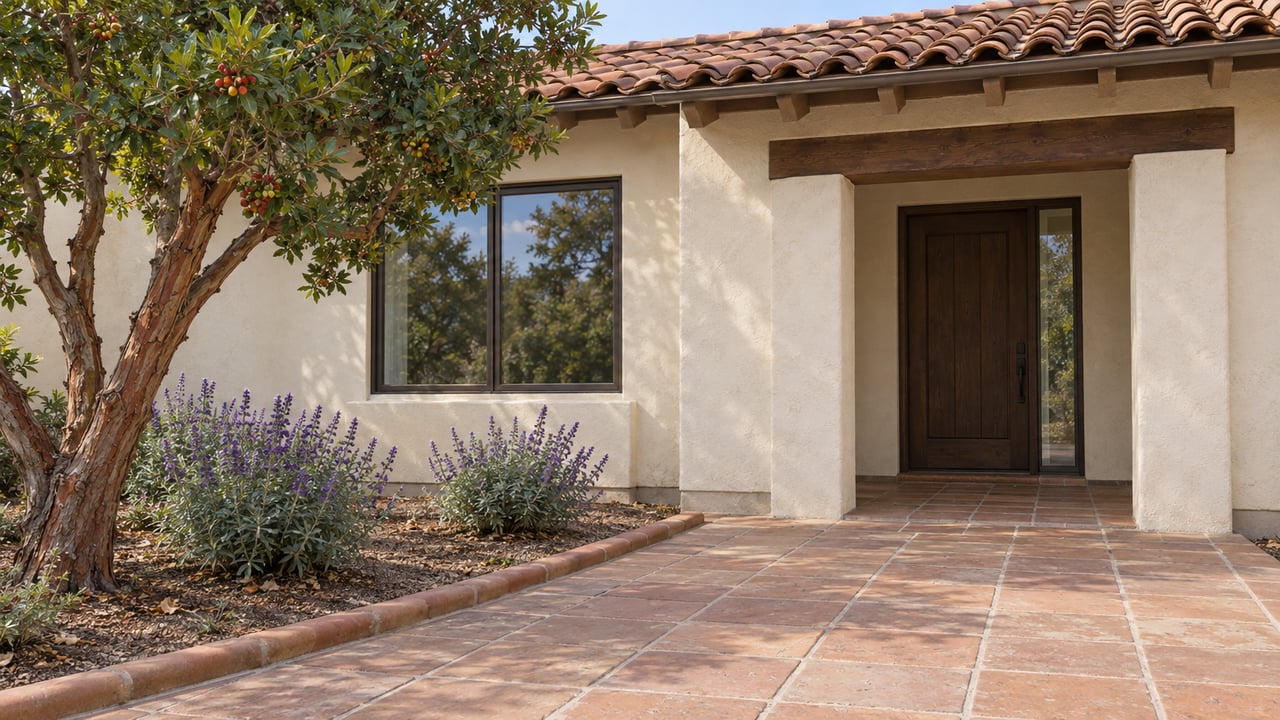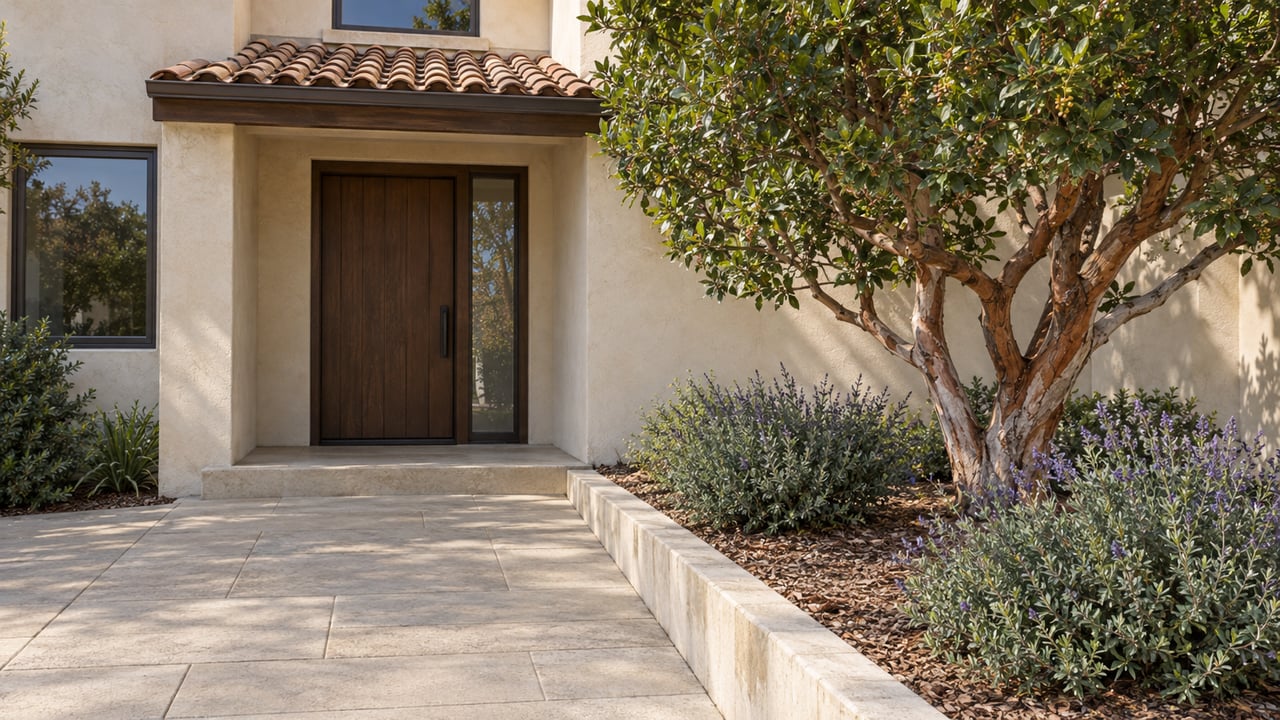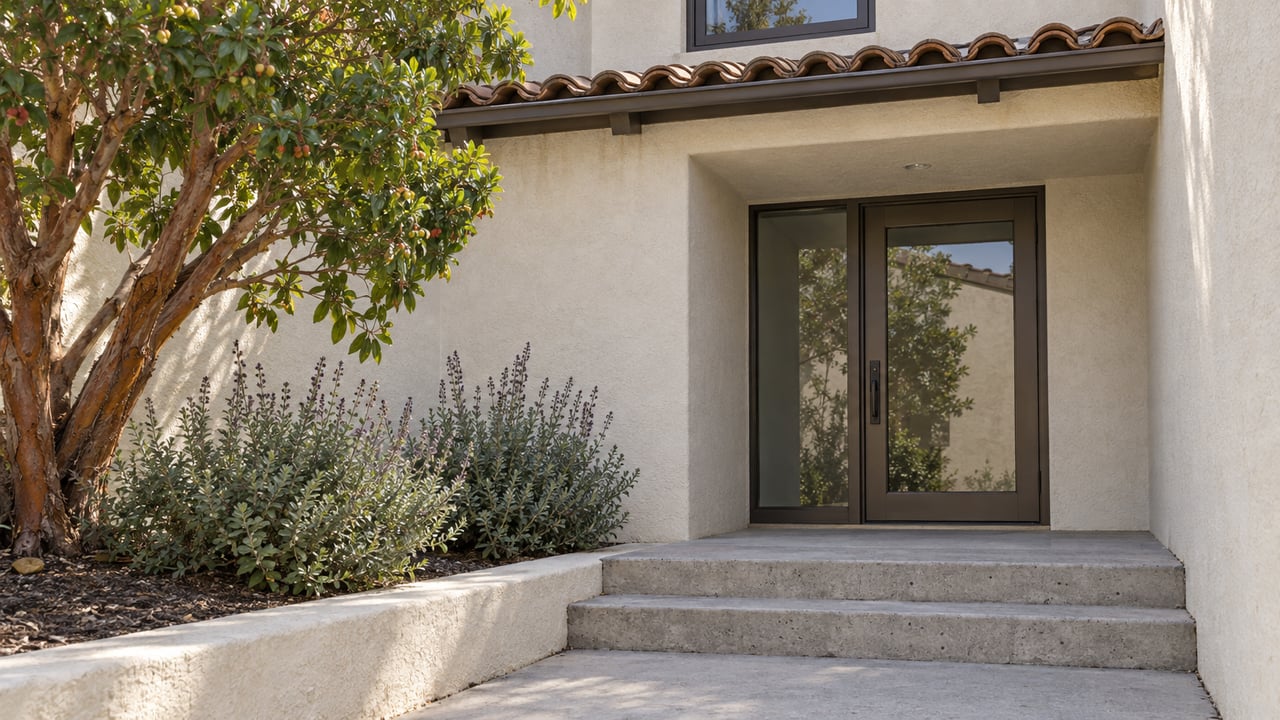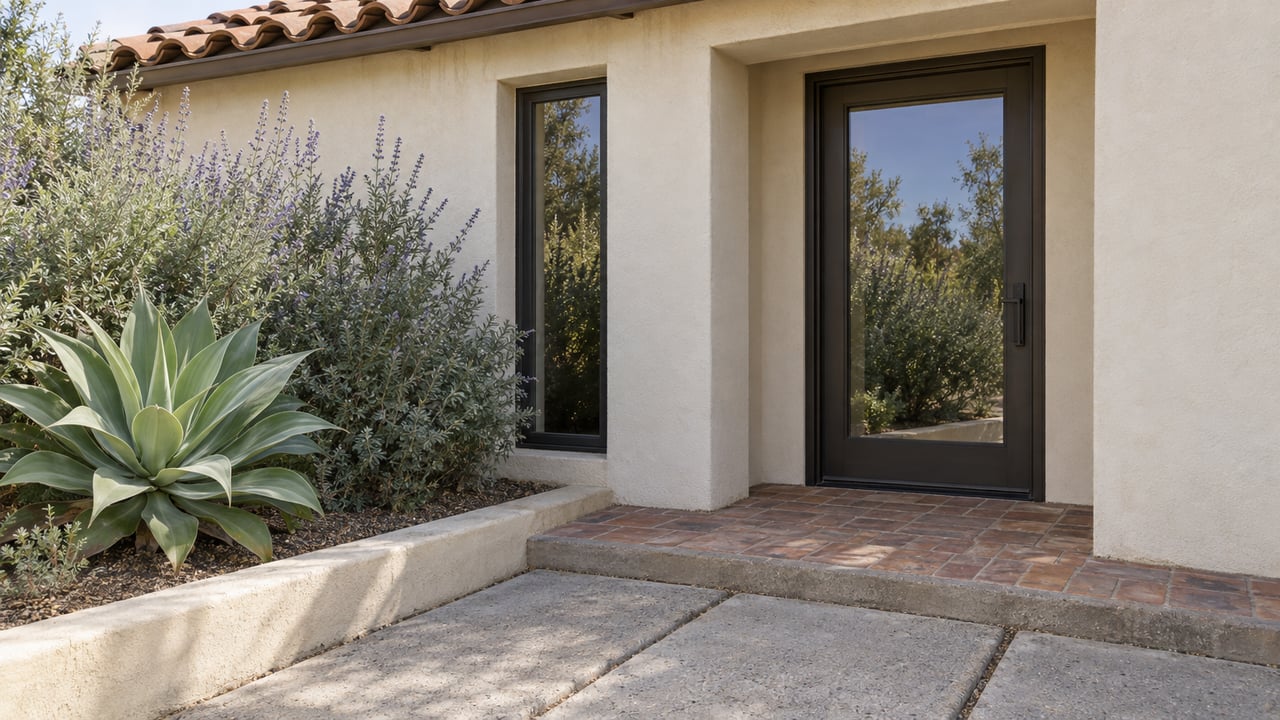
Buying a home from hundreds or thousands of miles away can feel risky, especially in a coastal market where details matter. You want the Dana Point lifestyle, but you also want clarity on neighborhoods, inspections, insurance, and closing logistics. This guide walks you through a proven remote-buying process tailored to Dana Point so you can make confident decisions from afar. Let’s dive in.
Why Dana Point draws buyers
Dana Point offers a relaxed harbor town vibe with access to Doheny State Beach, boating, and walkable dining in the Lantern District. You can choose from bluff-top homes, gated resort communities, marina-adjacent condos, and inland canyons. Many buyers appreciate the balance of ocean recreation, neighborhood amenities, and a smaller-city feel within South Orange County.
Quick remote-buying checklist
- Build your local team: buyer’s agent, lender, escrow/title, inspector, contractor, insurance broker.
- Define criteria: property type, ocean proximity, HOA vs fee-simple, commute, budget.
- Start virtual scouting: live video tours, 3D tours, drone, neighborhood walk-throughs.
- Collect documents early: disclosures, title report, HOA packet, permits, utility and tax bills.
- Shape your offer: financing plan, contingencies, timelines, communication protocol.
- Schedule inspections: general, pest, roof, HVAC, plumbing, electrical, foundation, coastal specialists.
- Prepare closing: remote signing, wire verification, key exchange, possession details.
- Plan move-in: utilities, internet, trash, vehicle registration, driver’s license, school enrollment if needed.
Step-by-step remote playbook
1) Define your criteria
Pin down the property type and lifestyle tradeoffs. Ocean views and harbor proximity often carry a price premium and higher ongoing costs like HOA fees and insurance. Decide what matters most, such as walkability to the Lantern District, a quiet inland setting, or direct beach access.
2) Build a specialized team
Choose a local agent experienced with coastal Dana Point and remote workflows like live video, 3D tours, and drone. Select a lender who routinely finances California coastal properties. Line up escrow/title for remote closing. Add a coastal-savvy home inspector, a contractor for quick estimates, and an insurance broker familiar with coastal and flood policies.
3) Start virtual scouting
Use live video showings and uncut walkthroughs to see room flow, finishes, storage, parking, and exterior conditions. Request drone footage for orientation and views, plus street approach videos to gauge access and potential noise. Note daily conveniences like grocery stores, clinics, and Dana Point Harbor amenities.
4) Collect documents before you offer
Gather the Transfer Disclosure Statement, Natural Hazard Disclosure, pest reports, and any prior inspections. Review the preliminary title report for easements. If there is an HOA, read CC&Rs, bylaws, budgets, reserve study, meeting minutes, and rental policies. Ask for permit history for additions, decks, retaining walls, and any coastal-related work, plus utility bills and the latest property tax bill.
5) Shape a competitive offer
Decide cash or financed and align contingencies for inspection, appraisal, loan, and title. Remote buyers often benefit from a slightly longer inspection window to coordinate specialists. Establish a clear communication plan that authorizes your agent to negotiate by phone or video on your behalf.
6) Inspections and estimates
Schedule a general inspection and specialty checks for pest, roof, HVAC, plumbing, electrical, and foundation. For coastal homes, add evaluations for moisture intrusion, corrosion, seawalls, bluff stability, and drainage. Ask for a live video walkthrough with your inspector and request contractor bids for any repairs.
7) Escrow and remote closing
Confirm whether your escrow/title company and lender support remote online notarization, a mobile notary, or a mail-away signing. Establish wire procedures up front and use a verified phone number for every confirmation to reduce fraud risk. Clarify recording, funding, possession timing, and how keys will be delivered.
8) Post-closing logistics
Set up water, sewer, trash, electricity, gas, and internet. If making California your primary residence, plan for vehicle registration and a driver’s license transfer based on state timelines. Expect a property tax reassessment at purchase and watch for supplemental tax bills after closing.
Neighborhood mini-guides
Harbor and Lantern District
You will find condos and townhomes near dining, retail, and the marina. This area is popular for walkability and access to Dana Point Harbor. Consider parking rules and seasonal visitor traffic when evaluating daily convenience.
Monarch Beach and Monarch Bay
Higher-end gated communities near resort amenities and golf are common here. HOA governance and fees typically apply. Pricing reflects proximity to beaches, luxury hotels, and coastal views.
Capistrano Beach and Doheny area
A mix of beach cottages and bluff properties with varying lot sizes and setbacks. For bluff homes, verify geotechnical history, past stabilization, and any coastal permits. Direct beach access and views can influence maintenance needs and insurance options.
Inland canyon areas
Generally more budget-friendly than oceanfront zones with good access to the I-5. Evaluate wildfire precautions, brush clearance, and evacuation routes. Some homes may have larger lots or different maintenance profiles than seaside properties.
Dana Point risks and costs to verify
- Coastal permitting: Projects near bluffs, seawalls, or shoreline can require permits and face restrictions. Ask for permit history before you buy.
- Bluff erosion: Policies are evolving, and armoring is often limited. Confirm any prior engineering reports for bluff-top properties.
- Flood exposure: Some parcels sit in FEMA-mapped flood zones. Lenders will determine requirements, but insurers may recommend flood coverage even outside mapped areas.
- Salt-air corrosion: Expect accelerated wear on metal, HVAC, and exterior wood. Budget for regular maintenance and sealing.
- Wildfire risk: Hills and canyons carry vegetation concerns. Check defensible space and insurance availability.
- Parking and rentals: Rules vary by neighborhood and HOA. Verify guest parking, permit requirements, and short-term rental policies.
- Taxes and assessments: Review property taxes, HOA dues, and potential Mello-Roos or special assessments in newer developments.
Virtual showing checklist
- Street approach and adjacent lots
- Exterior grading, drainage, and gutters
- Roof condition and flashing
- Foundation and visible cracks
- Windows, doors, and weather seals
- Garage power, outlets, and storage
- Electrical panel and labeling
- HVAC age, service records, and condenser condition
- Plumbing fixtures, water heater age, and visible leaks
- Attic, crawlspace, and insulation
- Appliances and serial numbers if available
- Balcony and deck surfaces, railings, and waterproofing
- Signs of corrosion on hardware and exterior metal
- Noise checks at different times of day
Sample timeline
- Search and offer: 2 to 6 weeks depending on supply and your criteria.
- Inspections and estimates: 7 to 14 days with specialty follow-ups as needed.
- Escrow and loan processing: 30 to 45 days depending on underwriting, appraisal, and signing method.
- Move-in and setup: 1 to 2 weeks for utilities, services, and deliveries once you have keys.
Timelines vary by lender, escrow capacity, and property complexity, especially for coastal or luxury homes.
Ask your agent prompts
- What is the permit and inspection history for major work, including decks, retaining walls, and any coastal elements?
- Can we review the full HOA packet, including reserve study, budgets, and minutes for the last 12 months?
- Are there recorded easements, setbacks, or past HOA liens on the preliminary title report?
- Is the property in a flood zone and what are typical insurance costs in this area?
- What is the current stance on coastal armoring or bluff stabilization for nearby properties?
- Are there parking restrictions or short-term rental rules that could affect daily use or future rental plans?
Safe wire verification steps
- Call your escrow or title officer using a phone number you already verified, not a number in an email.
- Confirm wiring instructions verbally and request a secure method for delivery.
- Before sending funds, call again to confirm the account and routing numbers.
- After sending the wire, request confirmation of receipt the same day.
Closing logistics and moving tips
Ask your escrow/title company which signing options they support, such as remote online notarization, a mobile notary, or a mail-away package. Confirm when the seller will vacate, who holds keys, and how you will receive them. Line up utility starts, internet installation, trash service, and any HOA orientation before you arrive.
If you are becoming a California resident, plan for vehicle registration and a driver’s license transfer on the state timeline. Expect your first property tax bill to reflect reassessment at purchase, with a supplemental bill that may arrive after closing.
Where to get updates
- City of Dana Point Planning and Building for permits, coastal resources, and local ordinances
- Orange County Assessor for property tax and parcel data
- California Coastal Commission for coastal policy and permits
- FEMA Flood Map Service Center for flood zone status
- NOAA for sea-level projections and coastal risk context
- California Department of Insurance for homeowner and flood insurance guidance
- Local escrow and title companies for remote signing options and current practices
- Professional home inspectors with coastal experience for inspection standards
Final thoughts
Buying a Dana Point home remotely is absolutely doable when you follow a structured process and lean on a local team. With careful document review, targeted inspections, and clear escrow planning, you can secure the right home with confidence and without surprises. If you want principal-level guidance from lifelong South OC residents with a Top 1% track record and $300M+ in sales, connect with the boutique, high-touch team at Zoch Real Estate Group.
FAQs
How do remote inspections work in Dana Point?
- Hire a local inspector who can conduct a live video walkthrough, deliver a photo-rich report, and coordinate specialists for coastal items like corrosion, moisture intrusion, or bluff concerns.
Do I need flood insurance for a Dana Point home?
- Your lender’s flood determination will set requirements, and many buyers carry flood coverage regardless to address storm surge or sea-level events in coastal areas.
Can I complete closing documents remotely in California?
- Many escrow and title companies support mobile notaries, mail-away signings, or remote online notarization when permitted by your lender and local practices.
What should I verify for a bluff-top property?
- Request permit history, any geotechnical or engineering reports, and visual documentation of the bluff edge, setbacks, and any prior stabilization efforts.
What are common coastal maintenance surprises?
- Salt-air corrosion on metal and HVAC, deck and waterproofing upkeep, and exterior wood care are common, so plan for regular maintenance and periodic sealing.
How do I avoid wire fraud during escrow?
- Never rely on emailed wiring instructions alone, and always confirm account details by calling your escrow or title officer using a verified phone number before sending funds.