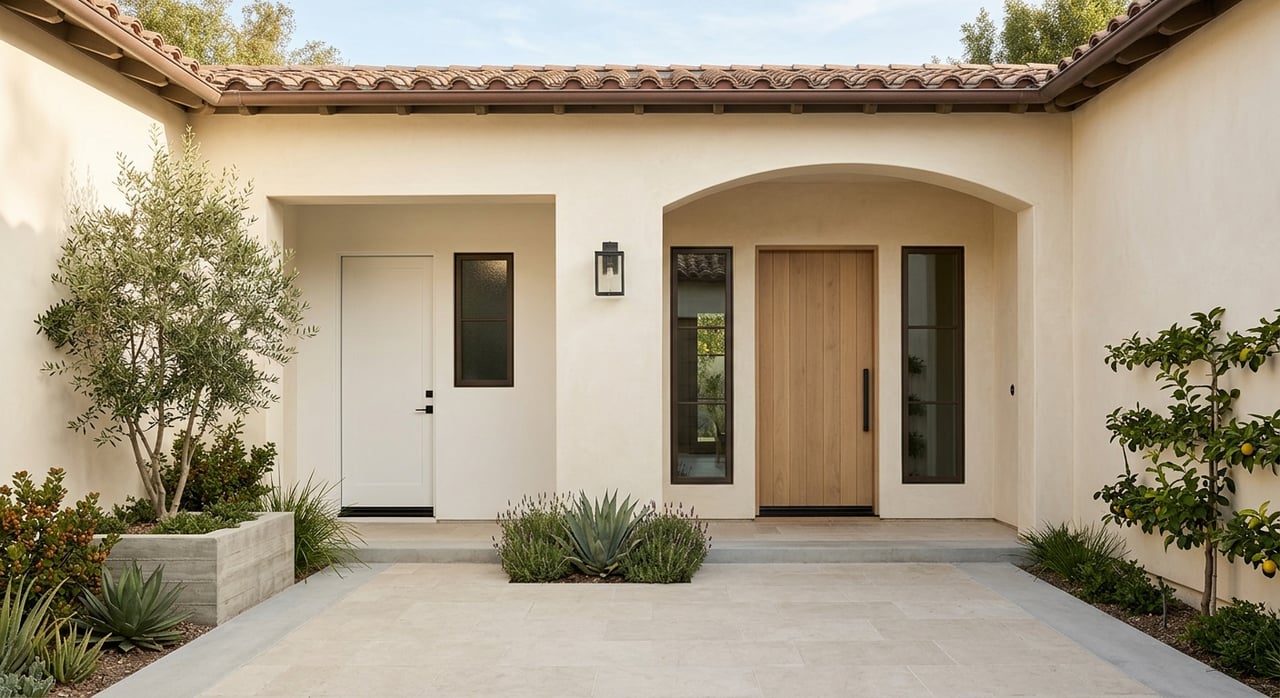
If your household needs more space but you do not want to lose the comfort of living together, multigenerational design can be a smart answer in San Juan Capistrano. You may be planning for aging parents, adult children, long-term caregiving, or simply a layout that gives everyone more breathing room. The good news is that local housing patterns and city rules create real opportunities to make this work well. Let’s dive in.
Why multigenerational living fits San Juan Capistrano
Multigenerational living is no longer a rare setup. Pew Research found that 59.7 million people lived in multigenerational family households in March 2021, which was about 18% of the U.S. population. The most common reasons were financial pressure and caregiving, which makes flexible home design more relevant than ever.
San Juan Capistrano is especially well suited for this kind of planning. According to SCAG, 54.1% of the city’s housing stock was single-family detached in 2018, and 19.6% was single-family attached. That mix gives many owners a better chance to rework an existing floor plan, add a private suite, or explore an ADU or JADU rather than start from scratch.
The city’s land use pattern also supports this idea. Much of San Juan Capistrano is designated for residential and rural residential uses, with a strong orientation toward single-family homes. For buyers and owners, that means detached homes remain central to the local housing story, and that is exactly where multigenerational design tends to work best.
Layouts that balance privacy and connection
The best multigenerational homes do two things at once. They create shared spaces that bring people together, and they protect private spaces so daily life feels comfortable for everyone. In practice, the most useful layouts usually include at least two private zones plus one main shared living area.
A strong starting point is a main-level primary suite or a separate bedroom wing. This can be especially helpful when your household includes older adults or anyone who may benefit from easier access and fewer stairs. A first-floor bedroom and bath can make the home more practical now and more flexible later.
Private bathrooms matter more than many owners expect. If two household groups plan to live together for the long term, having at least one dedicated bath for each group can reduce friction and make routines smoother. Even when the home is not large, thoughtful bathroom placement can make a big difference.
The shared kitchen and family room should feel central, but not overly exposed. Open-concept living can work well, though it helps to create some separation through furniture layout, partial walls, or nearby retreat spaces. That way, the heart of the home still feels social without making every moment feel public.
A second living area is one of the most valuable features you can add. It can serve as a caregiver suite, guest lounge, office, media room, or future bedroom depending on how your needs change. From a resale standpoint, flexible rooms are usually more useful than spaces designed for only one purpose.
Outdoor space also plays an important role. A side yard, courtyard, covered patio, or detached garden area can act as a natural buffer between generations. In San Juan Capistrano, where many homes have detached-home character and outdoor living is part of the lifestyle, this kind of separation can add both comfort and appeal.
ADUs and JADUs in San Juan Capistrano
For many households, the most practical path is not a major addition. It is an accessory dwelling unit or a junior accessory dwelling unit. San Juan Capistrano allows ADUs to be integrated within a residence, attached to a residence, converted from an existing garage, or built as a detached structure.
JADUs are different. They must be contained entirely within an existing or proposed single-family residence, and under current state guidance they are limited to 500 square feet. If rented, a JADU must be rented for longer than 30 days.
The city is generally ADU-friendly, but the rules still matter. San Juan Capistrano offers a preliminary planning review before building permit submittal, which can help owners understand site constraints early. The city also states that single-family properties may have an ADU up to 800 square feet, with larger units possible under certain conditions.
Here are a few local points that can shape your decision:
- ADUs under 750 square feet do not pay city development impact fees
- ADUs and JADUs may be rented, but they cannot be sold separately
- New detached ADUs require solar PV
- JADUs require a deed restriction
- A JADU with shared sanitation requires owner occupancy
- HOA approval may still be required
- An ADU receives an assigned unit address
- Some projects may need sanitation clearance from Santa Margarita Water District and review by the Orange County Fire Authority
Design choices that improve day-to-day living
The right design is not only about adding square footage. It is about making the home easier to live in for several people with different schedules and needs. That is why accessibility should be part of the conversation from the start.
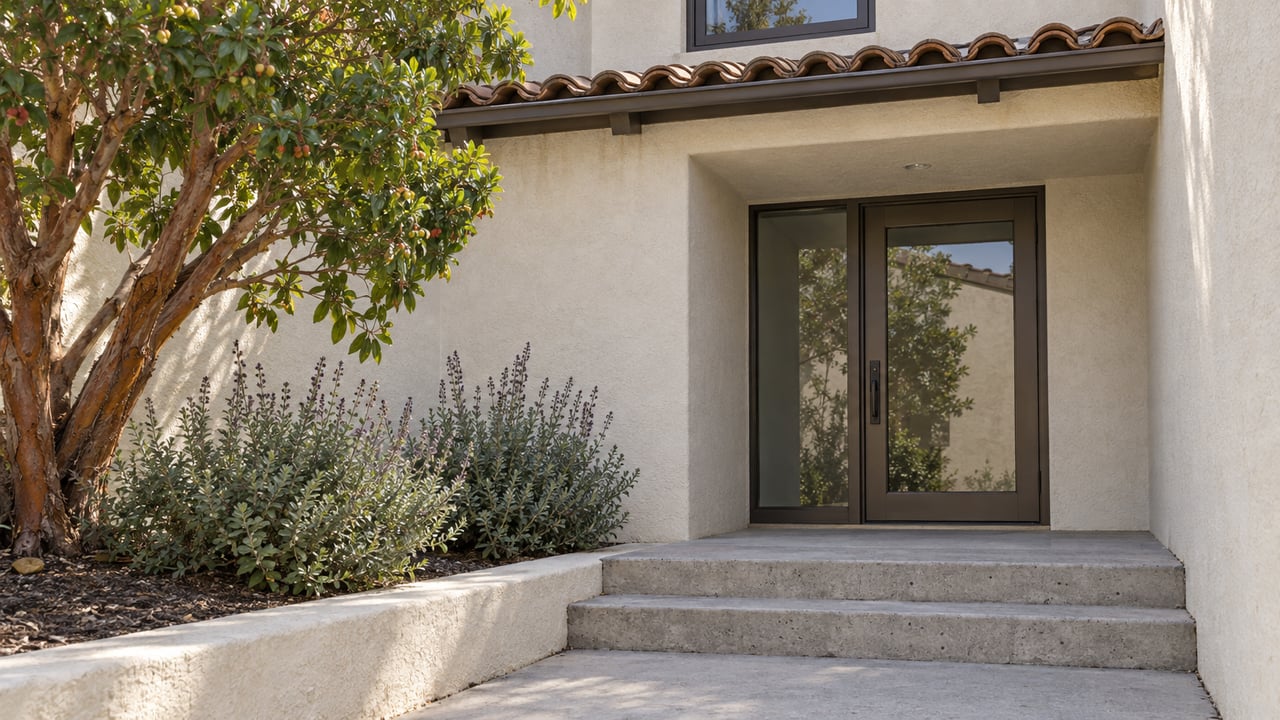
Single-level living is often the easiest solution if you are planning for older relatives or long-term caregiving. Step-free entries, wider circulation paths, and a first-floor bedroom or bathroom can improve comfort without making the home feel institutional. These features also support long-term flexibility if your household changes over time.
Storage and parking deserve just as much attention as bedrooms and baths. In a city where detached homes make up much of the housing stock, practical parking arrangements and enough storage for multiple households can affect both daily ease and future buyer interest. If you are considering a garage conversion, it is wise to think through the parking plan early.
The most successful homes also avoid becoming too specialized. A private suite that works today for a parent or adult child should still feel useful tomorrow as an office, guest room, or rental unit where permitted. That kind of built-in flexibility often makes the home easier to enjoy and easier to market later.
Historic and site constraints to know
San Juan Capistrano has a strong historic identity, and that matters when you plan changes to a home. The city notes a wide range of historic resources, including the Los Rios Street Historic District, Mission Hill-Mission Flats, several adobes, ranch and farmhouse properties, and 13 sites or districts on the National Register of Historic Places. If your property is historic or near a designated area, design decisions may need to balance added livability with preservation of scale and character.
That does not mean a multigenerational update is off the table. It simply means the best solution may be a compact, proportional addition or a carefully designed interior conversion instead of a large expansion. Compatible materials and a measured exterior approach often help the finished result feel more natural within the neighborhood.
Topography can also shape what is realistic. The city notes that protected ridgelines have a 200-foot buffer where development and grading are restricted. On hillside or view lots, that can limit where a detached unit or major addition can go.
State ADU rules also affect site planning. Current guidance says ADU setbacks generally cannot exceed four feet on the side and rear, parking requirements cannot exceed one space per unit or bedroom, and guest parking cannot be required. Parking is also not required for certain ADUs, including some in architecturally and historically significant historic districts.
Resale value starts with flexibility
If you are designing for family today, it still helps to think like a future seller. The most durable multigenerational homes are usually the ones that remain flexible, legal, and easy to understand. Buyers tend to respond well to layouts that can support family living without locking them into one exact household setup.
Permits and documentation carry real weight in San Juan Capistrano. A permitted ADU or JADU, clear deed restrictions where required, and a clean permit file are generally more attractive than unpermitted square footage. That is especially important in a market where local review, sanitation clearance, and other approvals may all be part of the process.
Exterior character matters too. In a city with a strong sense of history and many established single-family neighborhoods, additions that feel proportional and compatible often show better than oversized or mismatched expansions. A home that adds privacy and functionality while still fitting its setting can be a stronger long-term asset.
A smart path for San Juan Capistrano owners
In San Juan Capistrano, multigenerational living works best when design, permitting, and resale strategy all support one another. A legal secondary space, a privacy-conscious floor plan, enough parking, and thoughtful exterior design can make the home more livable now and more marketable later. Whether you are buying with extended family in mind or preparing a property for future flexibility, the details matter.
If you want a local perspective on how a multigenerational layout may affect value, marketability, or buyer appeal in San Juan Capistrano, connect with Zoch Real Estate Group. Their boutique, high-touch approach and deep South Orange County knowledge can help you evaluate the options with confidence.
FAQs
What home layouts work best for multigenerational living in San Juan Capistrano?
- The most practical layouts usually include two private living zones, a central shared kitchen or family room, at least one dedicated bathroom for each long-term household group, and flexible bonus space that can change use over time.
What is the difference between an ADU and a JADU in San Juan Capistrano?
- An ADU is an independent living unit that may be attached, detached, integrated into the home, or converted from a garage, while a JADU must be inside the main home and is limited to 500 square feet under current state guidance.
Can you rent an ADU or JADU in San Juan Capistrano?
- Yes. The city says ADUs and JADUs may be rented, but they cannot be sold separately, and current state guidance says rented JADUs must be rented for longer than 30 days.
Do historic rules affect multigenerational home design in San Juan Capistrano?
- Yes. Historic context can shape how additions, conversions, and exterior changes are designed, especially for properties in or near designated historic areas where scale, character, and compatibility matter.
What local approvals matter for an ADU project in San Juan Capistrano?
- Depending on the property and project, owners may need city planning and building review, sanitation clearance from Santa Margarita Water District, Orange County Fire Authority review, and possibly HOA approval.
How does multigenerational design affect resale in San Juan Capistrano?
- Homes usually hold broader appeal when the extra space is permitted, flexible in use, supported by practical parking and storage, and designed to feel consistent with the home and neighborhood.