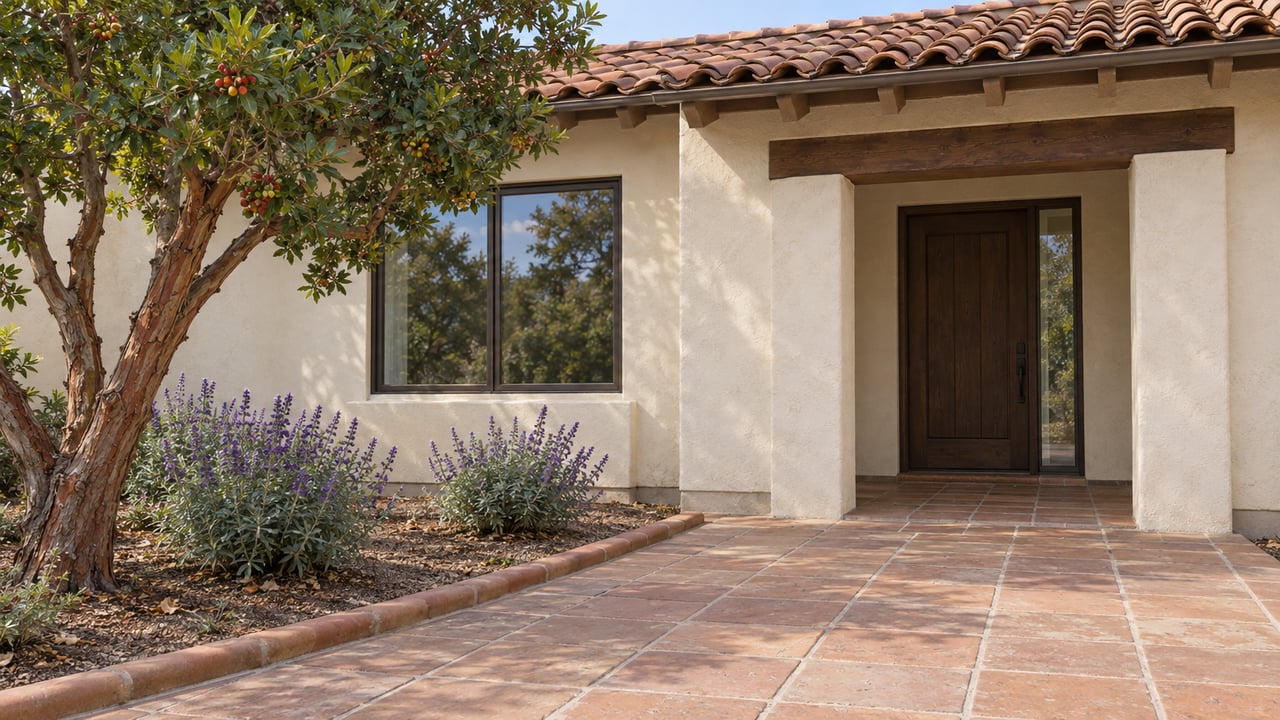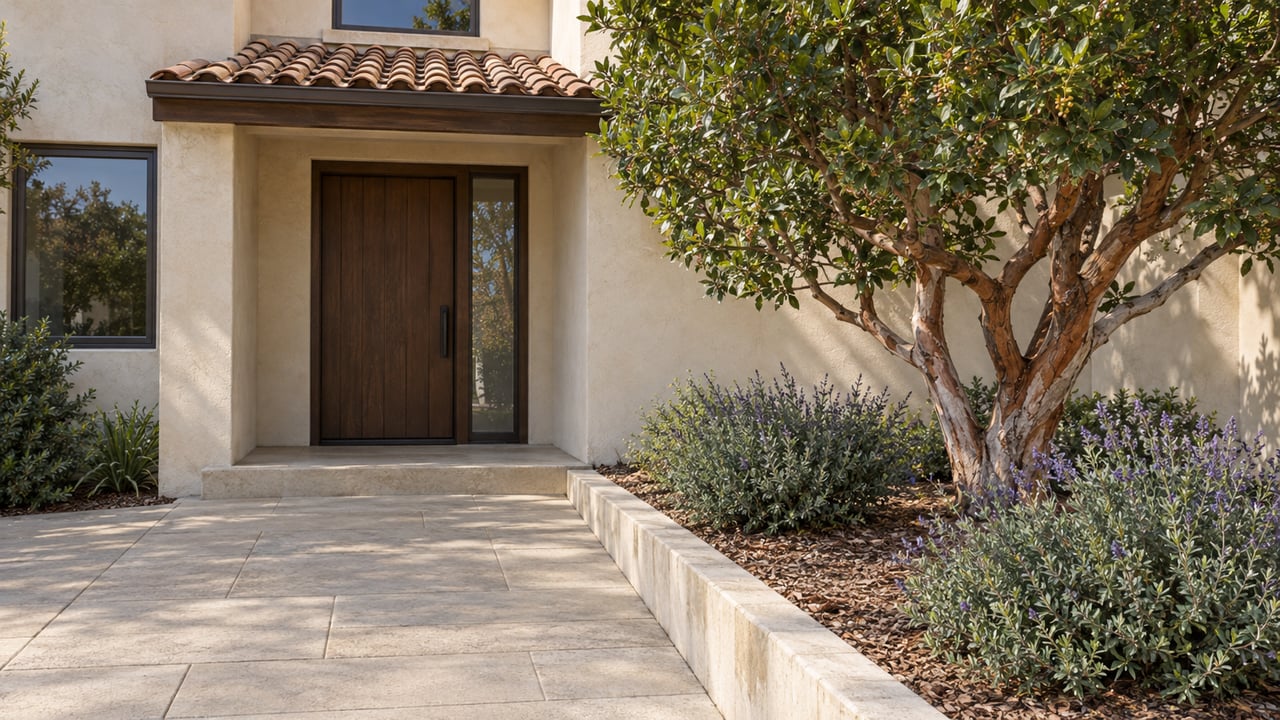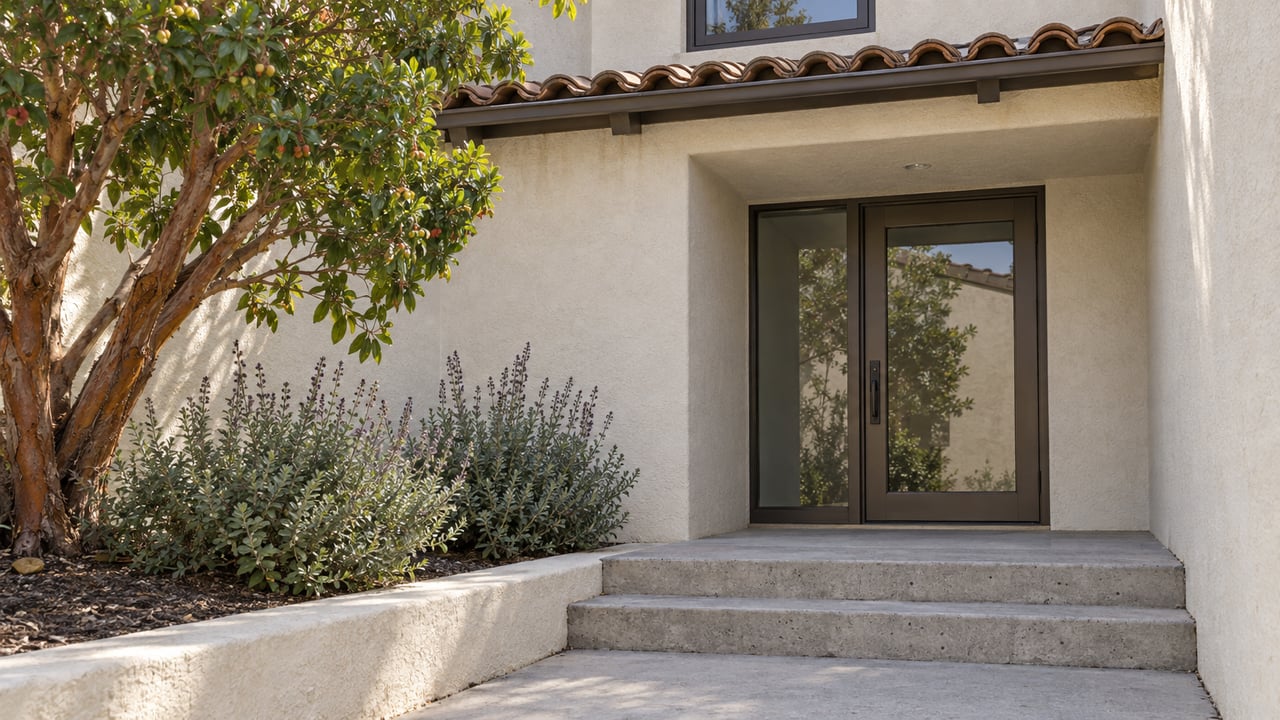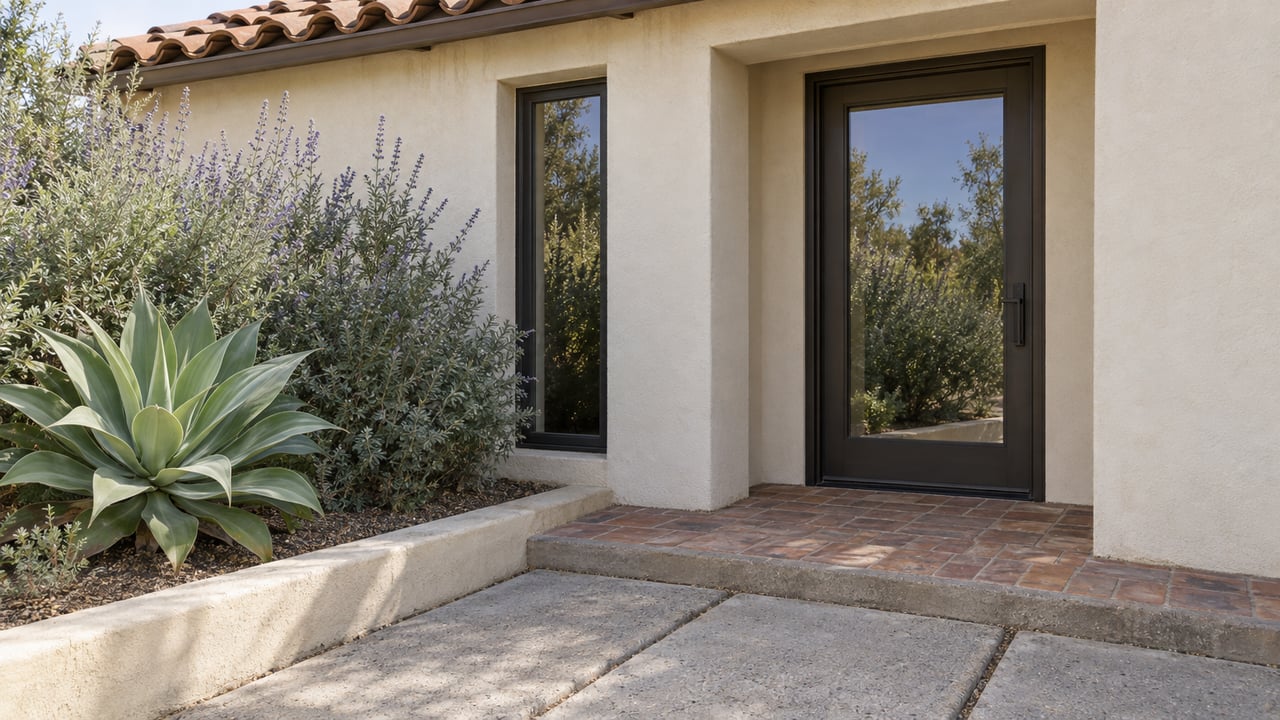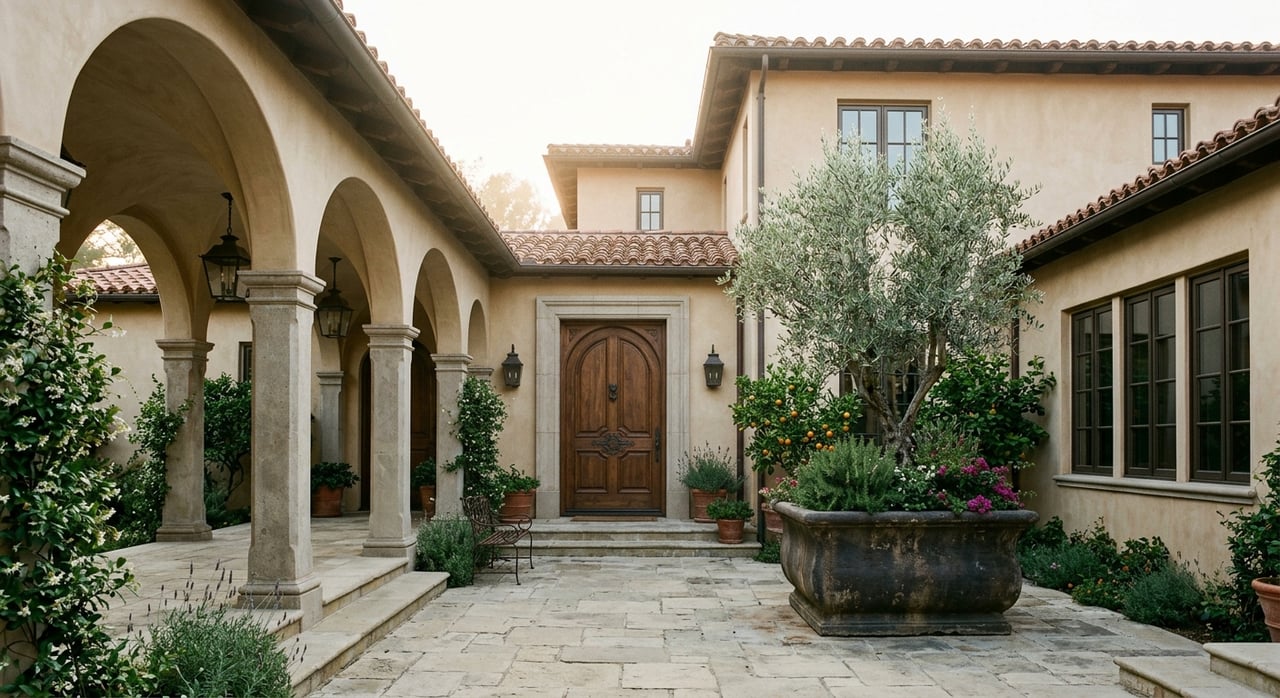
If you own a luxury home in San Juan Capistrano, pricing it is not as simple as pulling a citywide median and adding a premium. This market is small, varied, and full of properties with details that can shift value in a big way, from historic designation to usable land to equestrian features. When you understand how buyers actually compare high-end homes here, you can price more confidently, protect your negotiating position, and avoid costly time on market. Let’s dive in.
Why Luxury Pricing Is Different Here
San Juan Capistrano has a distinct identity within South Orange County. The city describes itself as a historic township with a population of more than 36,000, along with 43 miles of unpaved hiking, mountain, and equestrian trails, about 20 miles of paved bikeways, 230 acres of agricultural land, and more than 3,000 acres of permanent open space within 14 square miles. It is also known as an equestrian destination, which helps explain why buyers often look beyond square footage alone when evaluating upper-end properties. According to the city, land utility, privacy, and lifestyle use can matter just as much as interior finishes.
That matters because luxury buyers are rarely shopping for a generic house. They are often comparing a custom estate, a historic residence, a property with horse facilities, or a home in a specific high-end enclave. In a market like this, the right pricing strategy starts with understanding your home’s subtype before looking at broader city numbers.
Start With Market Data, Not Just Headlines
Broad market data still plays an important role, but it should be the backdrop, not the final answer. Redfin reports that in February 2026, the median sale price in San Juan Capistrano was $1.7 million, up 40.8% year over year, with 27 homes sold, about 3 offers per home, and a median 42 days on market. Redfin also notes that homes sold for about 1% below list price on average and went pending in around 33 days.
At the same time, Zillow’s March 31, 2026 market snapshot showed a typical home value of $1,342,011, 67 homes for sale, 31 new listings, a median sale price of $1,483,333, a median list price of $2,113,500, and a median 14 days to pending. Those numbers are not contradictory. They simply reflect different methods and timeframes, which is exactly why luxury sellers should avoid relying on a single headline statistic.
Build the Right Comp Set
The most important step in pricing a luxury home in San Juan Capistrano is choosing the right comparables. In most cases, that means matching your home to properties that share the same general profile, not just the same ZIP code.
A stronger comp set usually looks like this:
- Estate homes compared with other estates
- Historic homes compared with other historic homes
- Equestrian properties compared with functional horse properties
- Gated community homes compared with similar homes in gated settings
- Custom residences compared with other custom residences with similar land use and privacy
If there are not enough recent direct matches, the search can expand by geography or by time. But any comparison should still account for meaningful differences in usable acreage, privacy, views, condition, guest spaces, garage capacity, and specialty improvements. In San Juan Capistrano, those details often carry more weight than a simple price-per-square-foot formula.
Historic Homes Need Special Pricing Care
San Juan Capistrano’s historic character is one of the city’s defining features, and that has direct pricing implications. The city’s historic inventory includes the Mission area and downtown buildings, the Los Rios Street Historic District, Mission Hill-Mission Flats, several adobe buildings, and ranch and farmhouses. The city also states that it has 13 sites or districts listed in the National Register of Historic Places and that preservation policies affect alteration, modification, or demolition of significant structures. The city’s historic inventory guidance makes clear that these homes are not interchangeable with standard resale properties.
For sellers, that means historic value can be both an opportunity and a pricing constraint. Buyers may pay more for preserved character, architectural significance, and location within a recognized historic context. At the same time, some buyers will weigh future renovation limits, approval processes, and maintenance demands more carefully.
The Mills Act program in San Juan Capistrano adds another factor. The city says Mills Act contracts are available only to buildings listed on the local historic inventory and may provide potential property tax reductions. That can be a meaningful value point for the right buyer, but it does not automatically justify a higher asking price. The best pricing approach accounts for both the benefit and the responsibilities tied to the property.
Equestrian and Estate Features Must Be Functional
San Juan Capistrano’s equestrian identity is a real market factor, but only when the property truly supports that use. The city highlights its trail and open-space systems and its reputation as an equestrian destination, which helps explain why horse buyers may place value on features that a typical buyer may not. City information related to local equestrian and large-animal infrastructure reinforces the area’s horse-oriented character.
Still, not every horse feature creates equal value. Buyers typically respond more strongly to:
- Usable acreage
- Functional barn quality
- Turnout areas
- Fencing and layout
- Trailer access
- Access to trail systems
- Overall privacy and land usability
The key word is functional. If a setup looks appealing but does not work well for actual use, buyers may not assign it much premium. The same idea applies to large estates in general. Acreage only supports a price premium when the land is practical, accessible, and adds to the buyer’s experience of the property.
Understand the City’s Internal Price Spread
One reason luxury pricing gets tricky in San Juan Capistrano is the wide value range within the city itself. Zillow neighborhood data shows examples ranging from about $904,543 in Bridgepark District to roughly $3,032,891 in Covenant Hills Village. That kind of spread is a reminder that city averages can hide more than they reveal.
If your home is in a premium pocket, the right comp set should reflect that. If your property falls into a more specialized category, the pricing story should be built around what buyers in that niche are actually paying, not what a broad median suggests. This is especially important for sellers who assume uniqueness always supports a larger premium.
Avoid the Biggest Luxury Pricing Mistake
The most common mistake is confusing rarity with unlimited pricing power. A rare home can absolutely command a premium, but only if enough buyers see the same value and have the means to act on it.
In a market with historic homes, equestrian properties, custom estates, and a relatively narrow luxury buyer pool, pricing too high can shrink your audience even further. Current data supports that caution. Zillow’s active listing count and new listings suggest buyers have options, while Redfin’s data shows competition exists but homes still sold about 1% below list price on average. That tells you the market can reward strong positioning, but it can also push back when a seller overreaches.
Use Current Conditions to Fine-Tune the Ask
Pricing strategy should also reflect how buyers are behaving right now, not just what sold six months ago. Orange County REALTORS reported a 100.0% median sales-to-list ratio for existing single-family homes in February 2026 and 98.8% in January 2026. That suggests well-priced homes across the county are still trading close to asking.
Mortgage trends also shape buyer mindset. Freddie Mac’s Primary Mortgage Market Survey, cited by Orange County REALTORS, put the 30-year fixed rate at 6.46% on April 2, 2026, up from 6.38% the week before. Even in the luxury segment, where some buyers are less rate-sensitive, financing conditions still influence confidence, urgency, and negotiation behavior.
That is why a smart asking price should balance three things:
- Relevant sold comps that match your home’s subtype
- Current listing competition and recent inventory flow
- Buyer psychology in the present financing environment
What Supports a Defensible Premium
In San Juan Capistrano, luxury premiums tend to be easiest to defend when they are tied to features buyers can verify and use right away. These may include:
- Truly usable acreage
- Strong privacy
- View corridors
- High-quality renovations
- Guest quarters
- Horse facilities with practical layout
- Significant garage or storage capacity
- Preserved historic character
On the other hand, buyers often value future potential more cautiously. If a feature depends on approvals, major updates, or costly remediation, it may not support the same premium you would expect from a finished, functional improvement. This is especially true for historic properties where preservation rules may affect what can be changed.
Why Strategic Pricing Protects Your Sale
The first list price does more than attract attention. It shapes how buyers interpret your home from day one. In a market as nuanced as San Juan Capistrano, strategic pricing can create stronger early interest, support better negotiating leverage, and reduce the risk of sitting too long while buyers wait for a reduction.
For luxury sellers, that often means resisting the temptation to test an inflated number based on scarcity alone. A better path is to position the home where its strengths are obvious, its premium is supportable, and its buyer pool can respond quickly.
If you are preparing to sell in San Juan Capistrano, the right pricing plan should reflect your home’s specific story, not just a citywide average. That is where local knowledge, careful comp selection, and polished presentation come together. When you are ready for thoughtful guidance on positioning your home for today’s market, connect with Zoch Real Estate Group.
FAQs
What is the best way to price a luxury home in San Juan Capistrano?
- The best approach is to start with sold comparables that match your home’s subtype, such as historic, equestrian, estate, or gated-community properties, then adjust for features like usable land, privacy, views, condition, and guest spaces.
Do historic homes in San Juan Capistrano need a different pricing strategy?
- Yes. Historic homes may offer character and possible Mills Act tax benefits, but buyers may also consider preservation rules, maintenance needs, and limits on future changes when deciding value.
Do equestrian features increase luxury home value in San Juan Capistrano?
- They can, but only when the features are functional and appealing to horse-property buyers, such as usable acreage, quality barn space, fencing, turnout, and practical trail access.
Should you use citywide median prices to price a luxury home in San Juan Capistrano?
- Citywide median prices are helpful for general market context, but they are not enough to set a luxury list price because San Juan Capistrano has a wide range of neighborhoods, home types, and value drivers.
Are luxury homes in San Juan Capistrano still selling near asking price?
- County data shows many well-positioned homes are still selling close to list price, but local results vary based on pricing, property type, presentation, and how clearly the home’s premium is supported.