Thinking about listing your Dana Point home? In a coastal market where views, outdoor living, and presentation can shape buyer interest fast, a strong sale rarely happens by accident. If you want to protect your time, position your home well, and avoid last-minute stress, it helps to follow a clear plan. Here is a practical step-by-step roadmap so you know what to do, when to do it, and where to focus first. Let’s dive in.
Start 6 to 8 Weeks Early
If possible, give yourself about one to two months before your target list date. That window gives you time to plan pricing, prepare disclosures, make smart repairs, and get your home photo-ready without rushing. It also helps you avoid making reactive decisions once your home is already on the market.
According to the National Association of Realtors seller guidance, early planning should include choosing your agent, reviewing comparable sales, building a marketing plan, and organizing key home documents. For many Dana Point sellers, this early phase is where the biggest pricing and presentation decisions get made.
Build Your Listing Strategy First
Before you paint a wall or book a cleaner, get clear on the strategy. Buyers value competitive pricing, strong marketing, and a clear timeline, and those are exactly the issues you should address in your first planning conversations. In a market like Dana Point, where homes average about 99 days on market and receive around 3 offers on average, a thoughtful launch still matters.
Redfin market data for Dana Point shows a somewhat competitive market. Broader Orange County data in that same report also points to a market where some homes sell above list while others require price drops. That is why pricing, timing, and presentation need to work together from day one.
What to discuss with your agent
- A pricing strategy based on recent comparable sales
- A launch timeline and target list date
- MLS exposure and digital marketing plans
- Photography, video, virtual tour, and floor plan needs
- Whether a pre-sale inspection makes sense
- How offers will be reviewed and compared
Use a Pre-Sale Inspection to Guide Repairs
One of the smartest ways to reduce surprises is to identify issues before buyers do. NAR recommends considering a pre-sale inspection and getting estimates for major replacements like an older roof or worn carpeting before listing. That gives you more control over repairs, credits, and negotiation strategy.
The goal is not to renovate everything. The goal is to separate essential fixes from cosmetic items so you can spend money where it is most likely to improve buyer confidence and reduce friction.
Repairs that deserve early attention
- Roof or drainage concerns
- Worn flooring or carpeting
- Broken hardware, fixtures, or railings
- Water stains or visible damage
- Deferred maintenance buyers will notice right away
Prep for Coastal Wear
Dana Point homes have unique strengths, but coastal exposure can also create details that need attention. Salt spray and onshore wind can speed up corrosion on metal fixtures, railings, and exterior hardware, according to FEMA coastal corrosion guidance. Even small signs of wear can stand out in listing photos or during showings.
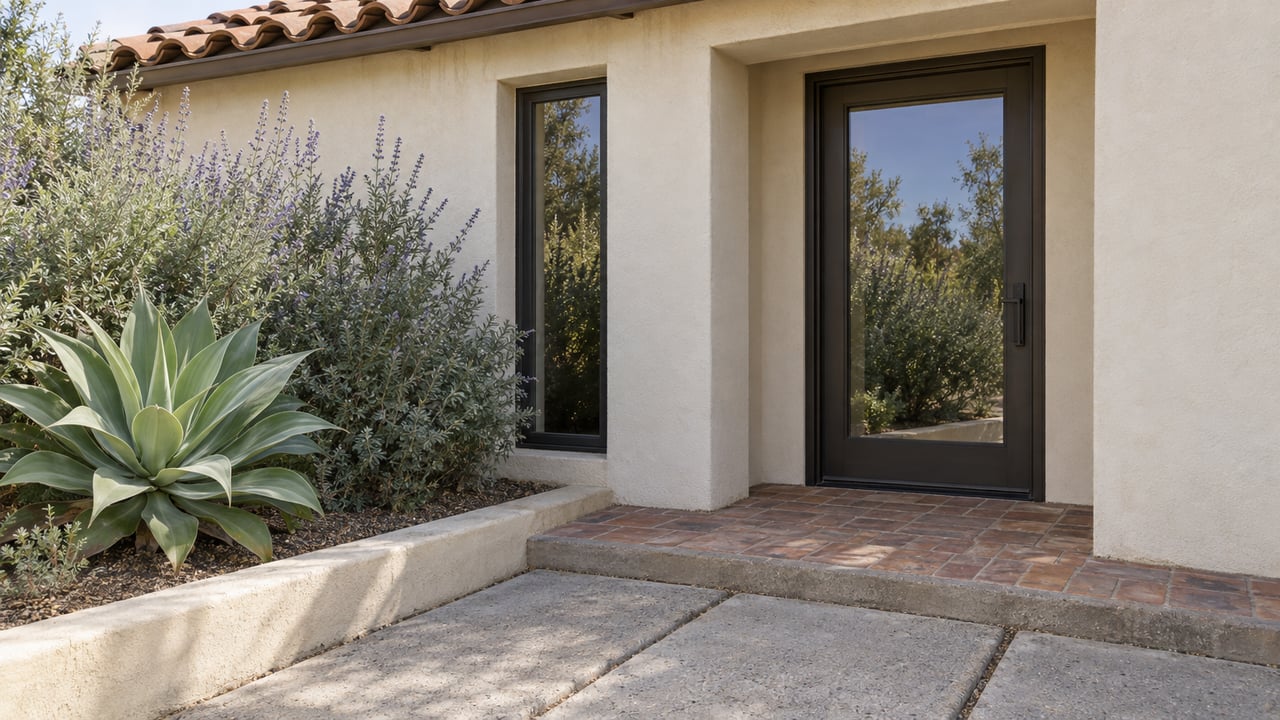
Before launch, walk the exterior with a critical eye. Check gates, balcony railings, outdoor lighting, door hardware, and any other weather-exposed features. In a premium coastal setting, buyers often notice condition as quickly as they notice the view.
Declutter, Clean, and Stage With Purpose
About 3 to 6 weeks before listing, shift from planning to presentation. NAR recommends decluttering, packing seasonal items, and cleaning windows, carpets, walls, lighting fixtures, and baseboards before bringing a home to market. These steps may sound simple, but together they shape the first impression.
Staging is also part of the equation. You want buyers to understand the layout, feel the light, and imagine how they would use each room. That usually means less visual noise, cleaner surfaces, and furniture placement that supports flow.
Focus on the spaces buyers remember most
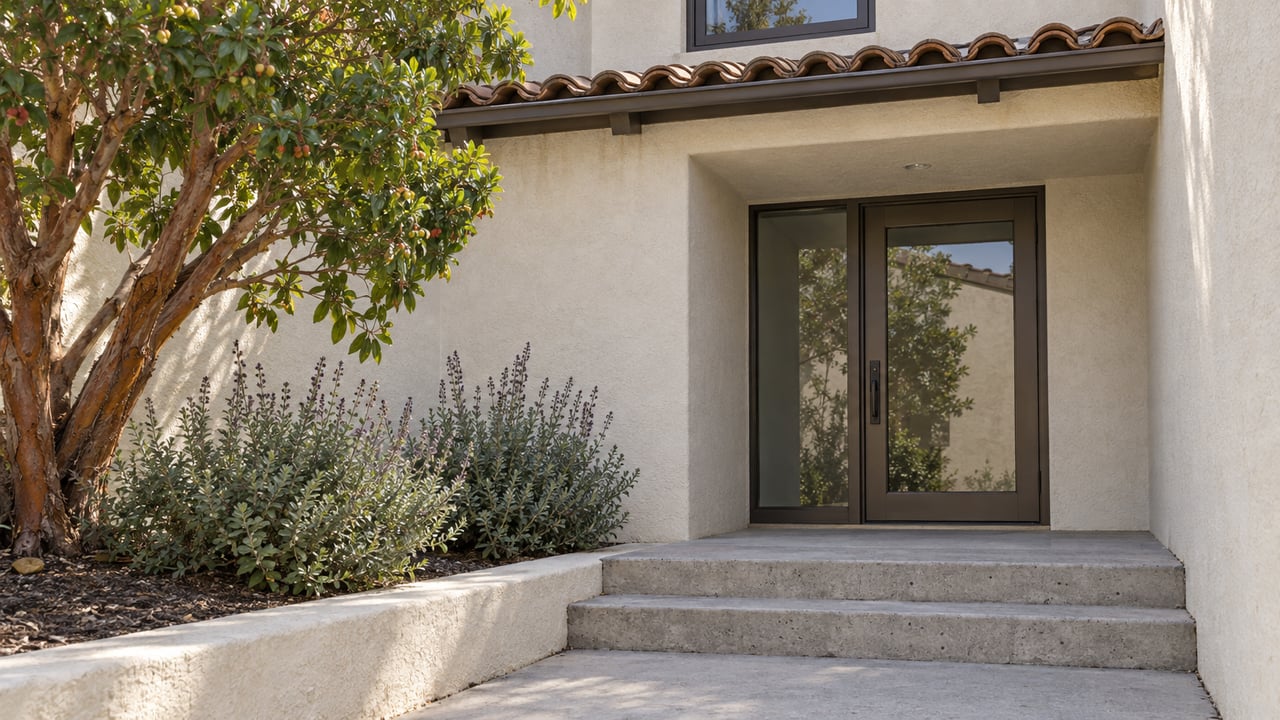
- Entryway
- Living room and great room
- Kitchen
- Primary bedroom and bath
- Patio, deck, or balcony
- Any room with strong natural light or a view
Highlight Views and Outdoor Living
In Dana Point, outdoor spaces are not secondary features. The city highlights beaches, harbor access, surfing, tide pools, and coastal views as core parts of the local experience on its official visitor pages. For sellers, that means your exterior lifestyle areas should be prepared with the same care as your interior rooms.
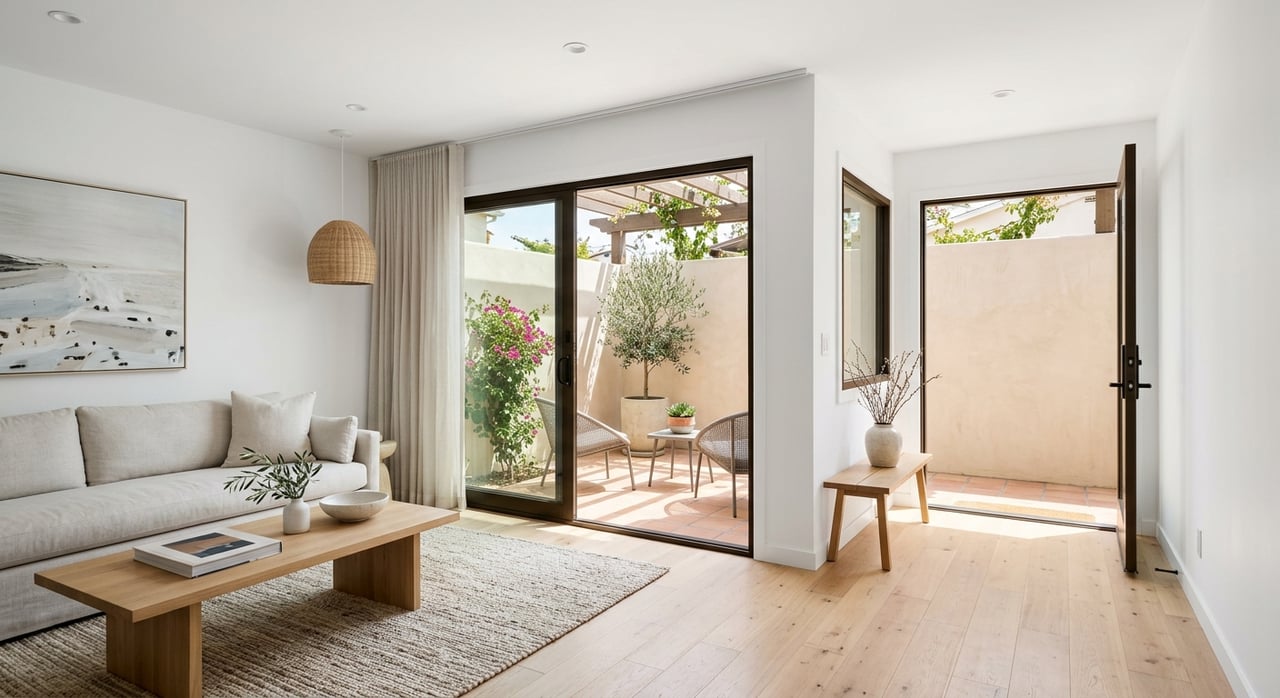
Clean patios and balconies thoroughly. Simplify outdoor furniture arrangements. Trim landscaping, refresh planters if needed, and make sure view lines from major windows are as open as possible. If your home captures ocean light, harbor proximity, or coastal breezes, your listing should make that visible right away.
Organize Disclosures and Documents Early
Paperwork is easy to put off, but it is better to get ahead of it. The California Department of Real Estate says the Real Estate Transfer Disclosure Statement should be delivered as soon as practicable and before title transfer. If it is delivered after an offer is executed, the buyer generally has 3 days after in-person delivery or 5 days after mailing to terminate.
The DRE also explains that sellers may need Natural Hazard Disclosure information and other required forms, depending on the property. If your home was built before 1978, lead-based paint disclosure rules may apply. If the property is part of a condo or common-interest development, HOA documents and financial materials should be gathered before listing.
Documents to start gathering
- Seller disclosure forms
- Natural hazard disclosure materials
- HOA documents, if applicable
- Warranties, manuals, and service records
- Receipts for recent repairs or upgrades
Schedule Photos 1 to 2 Weeks Before Launch
Photos are one of the most important parts of your listing launch. NAR identifies photos, video, virtual tours, floor plans, signage, and open houses as central pieces of the home marketing process. In other words, photography is not the last step. It is a major sales tool.
In Dana Point, timing matters even more because light is part of the story. Southern California's coastal marine layer can bring low clouds and fog in the morning, based on NOAA guidance on regional weather patterns. If your home benefits from views, natural light, or outdoor spaces, your photo timing should account for when skies and light typically look their best.
Before the photographer arrives
- Clear counters and open surfaces
- Remove personal items and excess decor
- Turn on key interior lighting
- Clean glass and mirrors
- Style patios, balconies, and exterior seating areas
- Make sure view corridors are unobstructed
Treat Launch Week Like a Momentum Event
Once your home goes live, the first weekend matters. This is when your listing is freshest to serious buyers and when marketing exposure is often strongest. NAR's consumer guidance on marketing your home also notes the importance of timing around the first open house.
Keep showing instructions clear and easy to follow. Make sure the home is consistently ready. Then gather buyer feedback quickly so you can see whether buyers are responding to the price, condition, layout, or presentation.
Compare Offers Beyond Price
If offers come in, look past the headline number. In Orange County, some homes still sell above list while others see price reductions, so the strongest offer is not always the highest one on paper. Financing strength, contingencies, appraisal risk, and closing timeline all matter.
This is especially important in a market where presentation can create excitement, but buyers are still paying attention to value. A well-structured offer with better terms may put you in a safer position than a higher offer with more uncertainty.
Review these offer details carefully
- Purchase price
- Down payment and financing strength
- Appraisal and loan risk
- Inspection or other contingencies
- Requested credits or repairs
- Proposed closing date
Timing Your Sale in Dana Point
Spring and summer are typically the strongest seasons for housing activity, according to the National Association of Realtors seasonal market analysis. That said, NAR also notes that the West tends to be less affected by seasonality and tourism-oriented markets may see less dramatic slowdowns.
For Dana Point sellers, that means spring through early summer is often a dependable launch window, but you may have more flexibility than sellers in many inland areas. If your home shows especially well because of outdoor living, natural light, or coastal access, timing your launch around those strengths can be just as important as the season itself.
A Simple Dana Point Listing Checklist
If you want the process in one place, here is the short version:
| Timing | What to do |
|---|---|
| 6 to 8 weeks before | Choose your agent, review pricing, plan marketing, consider a pre-sale inspection |
| 3 to 6 weeks before | Make repairs, declutter, deep clean, and stage key spaces |
| 1 to 2 weeks before | Prepare disclosures, gather documents, schedule photos and launch assets |
| Launch week | Go live, streamline showings, hold early open house activity, collect feedback |
| Offer review | Compare price, financing, contingencies, appraisal risk, and close date |
Selling a Dana Point home is not just about putting a sign in the yard. It is about telling the right story, preparing the property with care, and launching with a strategy that fits both the market and your specific home. If you want experienced, high-touch guidance on pricing, presentation, and timing in South Orange County, connect with Zoch Real Estate Group to start building your listing plan.
FAQs
How early should you start preparing to list a Dana Point home?
- A practical timeline is about 1 to 2 months before listing so you have time for inspection, repairs, cleaning, staging, photography, and disclosure prep.
What repairs matter most before listing a Dana Point house?
- Focus first on issues buyers notice quickly or that can affect negotiations, such as roof concerns, worn flooring, visible damage, and deferred maintenance identified in a pre-sale inspection.
How do ocean views affect a Dana Point listing plan?
- Views and outdoor areas should be cleaned, staged, and photographed as major features, and photo timing may need to account for morning marine layer conditions.
What documents should sellers gather before listing a Dana Point property?
- Start with seller disclosures, natural hazard disclosure materials, warranties, manuals, repair records, and HOA documents if the property is part of a common-interest development.
What should you ask an agent before listing a Dana Point home?
- Ask how they will price the home, market it through the MLS, time the first open house, prepare launch assets, and evaluate offer terms beyond just the purchase price.